Hirtelen a tömegmédia a Nyugat-Baltimore-i állapotokról ír vagy közvetít. Olyan állapotokról, amelyek... Washington Post Eugene Robinson publicista évtizedek óta „fojtogató szegénységként, működési zavarokként és kétségbeesésként” foglalta össze.
Suddenly, reporters and camera teams are discovering Baltimore’s inner city—crumbling or abandoned housing; mass unemployment; too many merchants gouging the locals (the poor pay more); too many drug dealers; schools, roads and sidewalks in serious disrepair; debris everywhere; lack of municipal services (which are provided to the wealthier areas of the city); and, as always, grinding poverty and its many vicious circle consequences.
Lack Of Upward Mobility A Real Downer
Suddenly, media highlights a report by Harvard economists putting Baltimore County last among the worst counties in the U.S. for economic mobility.
Hirtelen, Az Atlanti-óceán pays attention to the reporting by the Baltimore Sun of police brutality in Baltimore against people and communities of color. “A grandmother’s bones were broken. A pregnant woman was violently thrown to the ground. Millions of dollars were paid out to numerous victims of police brutality.”
Hirtelen a Washington Post reports that life expectancy in 15 Baltimore neighborhoods, including the one where the innocent, young Freddie Gray lived (slain by the police for making eye contact and running) is shorter than in North Korea! The Johns Hopkins Bloomberg School of Public Health gets press for concluding that Baltimore teens between 15 and 19 years old face poorer health conditions and a bleaker economic outlook than those in economically distressed cities in Nigeria, India, China and South Africa.

Suddenly, the aggressive arresting practices of the local police and their climate of constant fear are the subject of detailed media presentations. Interviews with grieving, frightened residents in the neighborhoods shock viewers who are unfamiliar with Baltimore. Suddenly, viewers and readers come to the realization that these people of color are all human beings who for too long have had their plight overlooked and ignored.
Baltimore is an example of the harsh conditions created by a combination of white flight and loss of economic opportunities due to a shift of manufacturing off our shores to those of other countries that will allow their citizens to work for a smattering of pennies (facilitated by trade agreements like NAFTA and the World Trade Organization). The gap between rich and poor, between visibility and invisibility, is one of the largest in the country—a recurrent tale of two cities in modern America.
Lead Poisoning A Factor
Suddenly, we see major reporting on the thousands of lead-poisoned children in Baltimore. Ruth Ann Norton, executive director of the Coalition to End Childhood Lead Poisoning, says “a child who was poisoned with lead [from lead-based paint] is seven times more likely to drop out of school and six times more likely to end up in the juvenile justice system.”
Our first black president laments the cycle of poverty, but calls protestors who destroyed property, not lives, “thugs.” This is the same president who has spent tens of billions of dollars illegally attacking communities with civilians (“collateral damage”) in foreign countries. Such monies could have rebuilt our devastated cities, promoted programs and employment to help those in need in these very cities, and enforced laws against the corrupt political officials, and commercial and street predators who profit from the powerless poor and exploit poverty programs.
West Baltimore received a visit from the new Attorney General, Loretta Lynch, who said “we’re here to hold your hands and provide support,” without specifying resources beyond helping the city improve its police department.
Hundreds of pages in newspapers and hundreds of hours of television time were devoted to cover what the Reverend Donte L. Hickman Sr. called “the deterioration, dilapidation and disinvestment.”
And what brought the media attention? A couple hundred young men smashing windows and burning some stores, buildings and cars. Young men like Freddie Gray die often at the hands of some violent police in America’s inner cities without any subsequent media coverage or remedial action, but it took protests, civil unrest and fires to finally illuminate the interest of the nation’s media. How shameful! And how predictable will be the inevitable official inaction by the ruling classes once the embers dim, leaving the neighborhoods in despair.
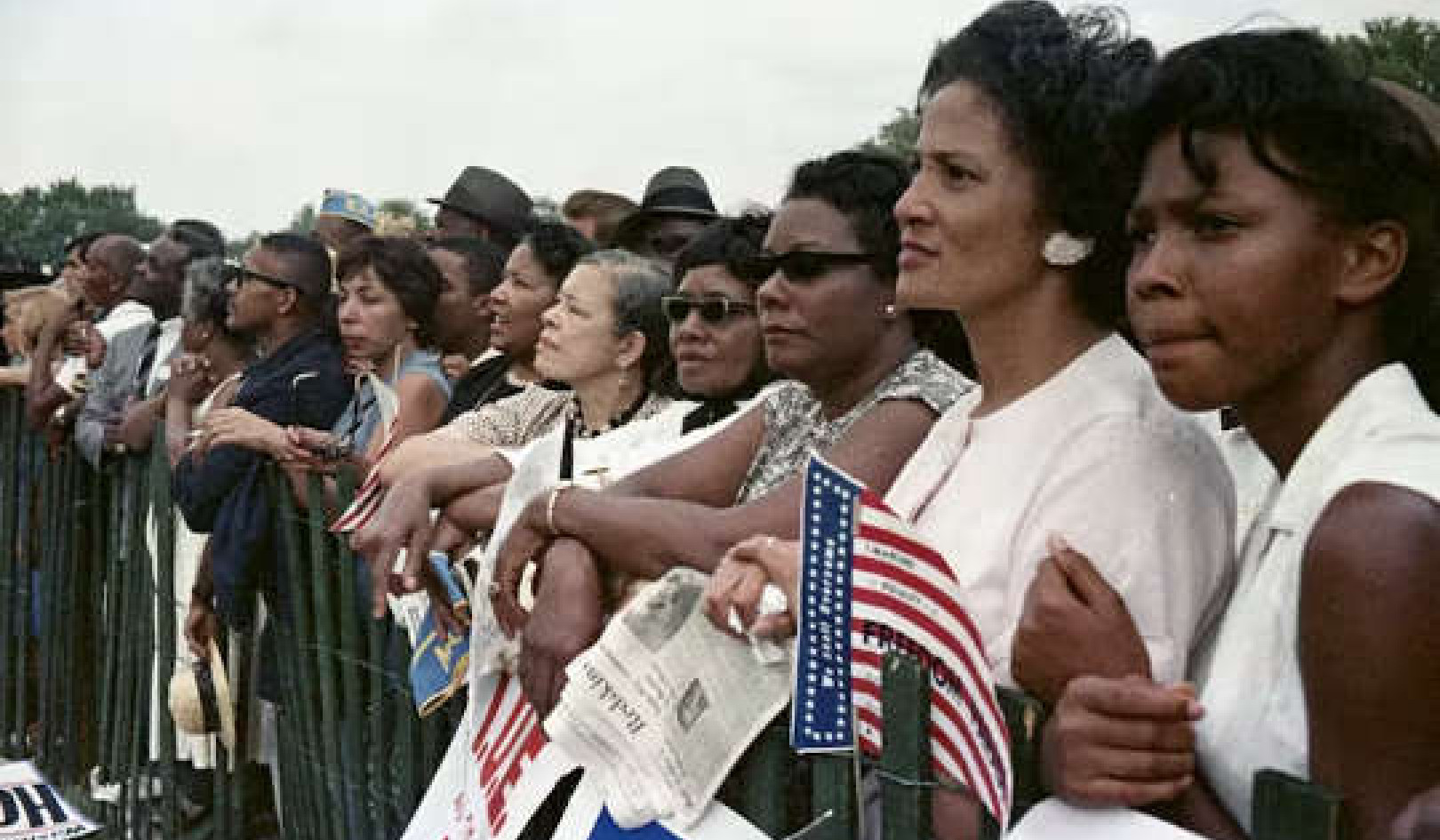
When the poor neighborhoods of Washington, D.C. erupted in 1968, the great FCC Commissioner Nicholas Johnson said: “a riot is somebody talking. A riot is a man crying out: listen to me, mister. There’s something I’ve been trying to tell you, and you are not listening.”
If the plutocrats of America do not wake up to the daily, acidic results of excessive greed coupled with excessive concentration of power over the people, they will be fomenting what they abhor the most—cascading instability and disruption. In their parlance—that’s bad for business.
Ajánlott könyv:
A tizenhét hagyomány: Tanulságok egy amerikai gyermekkorból
Ralph Nader által.
 Ralph Nader visszatekint connecticuti kisvárosi gyermekkorára, és azokra a hagyományokra és értékekre, amelyek formálták progresszív világnézetét. Egyszerre szemfelnyitó, elgondolkodtató, és meglepően friss és megindító. A tizenhét hagyomány az egyedülállóan amerikai etika ünneplése, amely biztosan elnyeri Mitch Albom, Tim Russert és Anna Quindlen rajongóinak tetszését – egy váratlan és igen üdvözlendő ajándék ettől a félelem nélkül elkötelezett reformertől és a kormányzati és társadalmi korrupció szókimondó kritikusától. A széles körű nemzeti elégedetlenség és kiábrándultság idején, amely az Occupy Wall Street mozgalom által jellemzett új ellenvéleményekhez vezetett, a liberális ikon megmutatja nekünk, hogy minden amerikai mit tanulhat a... A tizenhét hagyomány és ezek befogadásával elősegíteni az érdemi és szükséges változást.
Kattintson ide további információkért és/vagy a könyv megrendeléséhez.
A szerzőről
 Ralph Nadert az Atlantic az amerikai történelem 100 legbefolyásosabb alakja közé sorolta, egyike annak a négy élő embernek, akiket ilyen elismerésben részesítettek. Nadert fogyasztóvédelmi aktivista, ügyvéd és író is pályája során számos szervezetet alapított, köztük a Responsive Law Tanulmányozásának Központját, a Public Interest Research Groupot (PIRG), a Center for Auto Safety, Public Citizen, a Clean Water Action Projectet, a Disability Rights Centert, a Pension Rights Centert, a Project for Corporate Responsibility-t és a… A Multinacionális Monitor (havilap). Csoportjai hatással voltak az adóreformra, az atomenergia szabályozására, a dohányiparra, a tiszta levegőre és vízre, az élelmiszerbiztonságra, az egészségügyi ellátáshoz való hozzáférésre, a polgári jogokra, a kongresszusi etikára és sok másra. http://nader.org/